









Social Media Addiction Statistics 2026: Global Data & US Trends


Latest social media addiction statistics state that approximately 210 million people are addicted to them. Over 56% of the global population is connected through these platforms. They contributed to the economy and business growth for the past few years.
But, conversely, they left negative impacts. Users often encounter clinical addiction, mass anxiety, and, in some of the worst cases, social isolation. This phenomenon is often framed through two lenses: the clinical paradigm and the maladaptive habit.
Today, we will present all the major research and statistics on how these social media are affecting our very human traits. To ensure the highest level of accuracy, we handpicked peer-reviewed research from Google Scholar.
Furthermore, we included government- and industry-directed surveys. The following data provides essential insights into social media-driven mental health impact.
Key Takeaways: Social Media Addiction Statistics
Researchers tracking social media addiction statistics worldwide have noted a global increase in compulsive scrolling habits. According to reports, social media addiction in adults is less severe than among youth.
.avif)
Social Media Addiction Statistics By Country
A closer look at social media addiction statistics by country reveals that nations with the highest smartphone penetration rates tend to suffer the most.
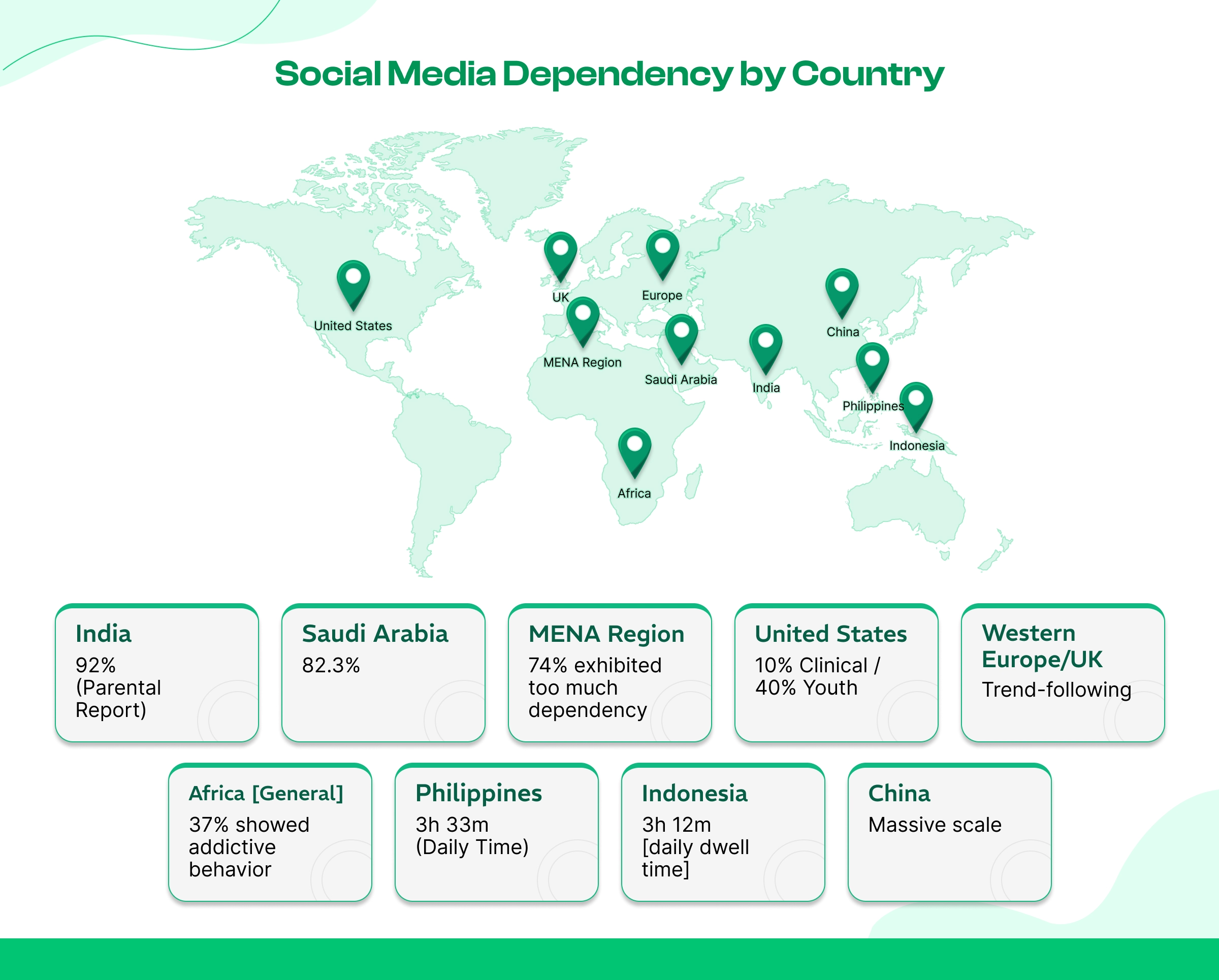
Social Media Addiction by Platform (Gender Based)
Platforms like Snapchat that lean on streaks and disappearing content tend to reinforce daily compulsive checking more than static feeds do, which helps explain the female usage skew in the table above.
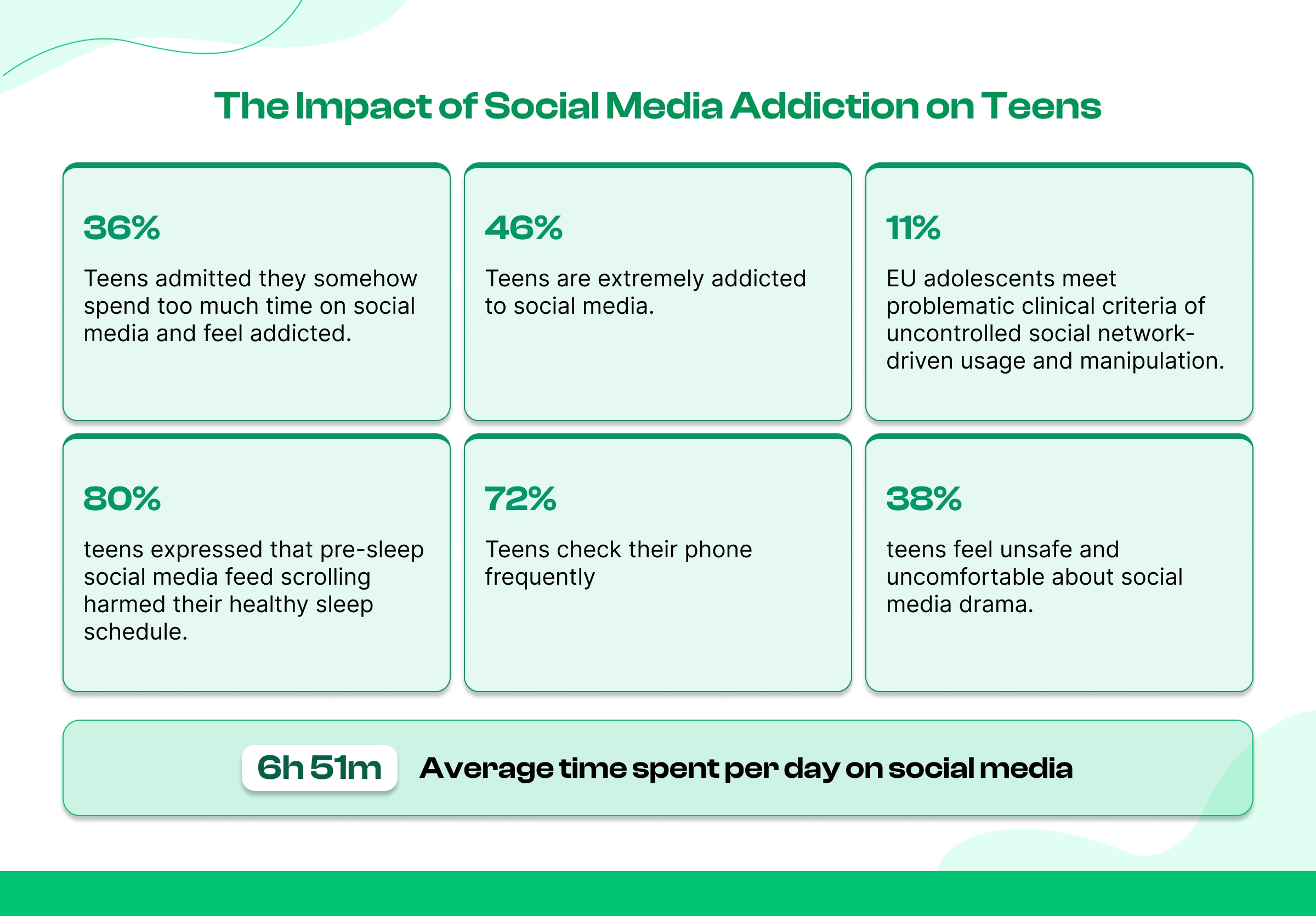
Social Media Addiction Statistics By Teens Usage
Recent studies outlining social media addiction statistics, teens face a sharp rise in daily screen time.
Social Media Addiction Statistics by Age
When analyzing social media addiction statistics by age, younger demographics predictably show much higher rates of compulsive use.
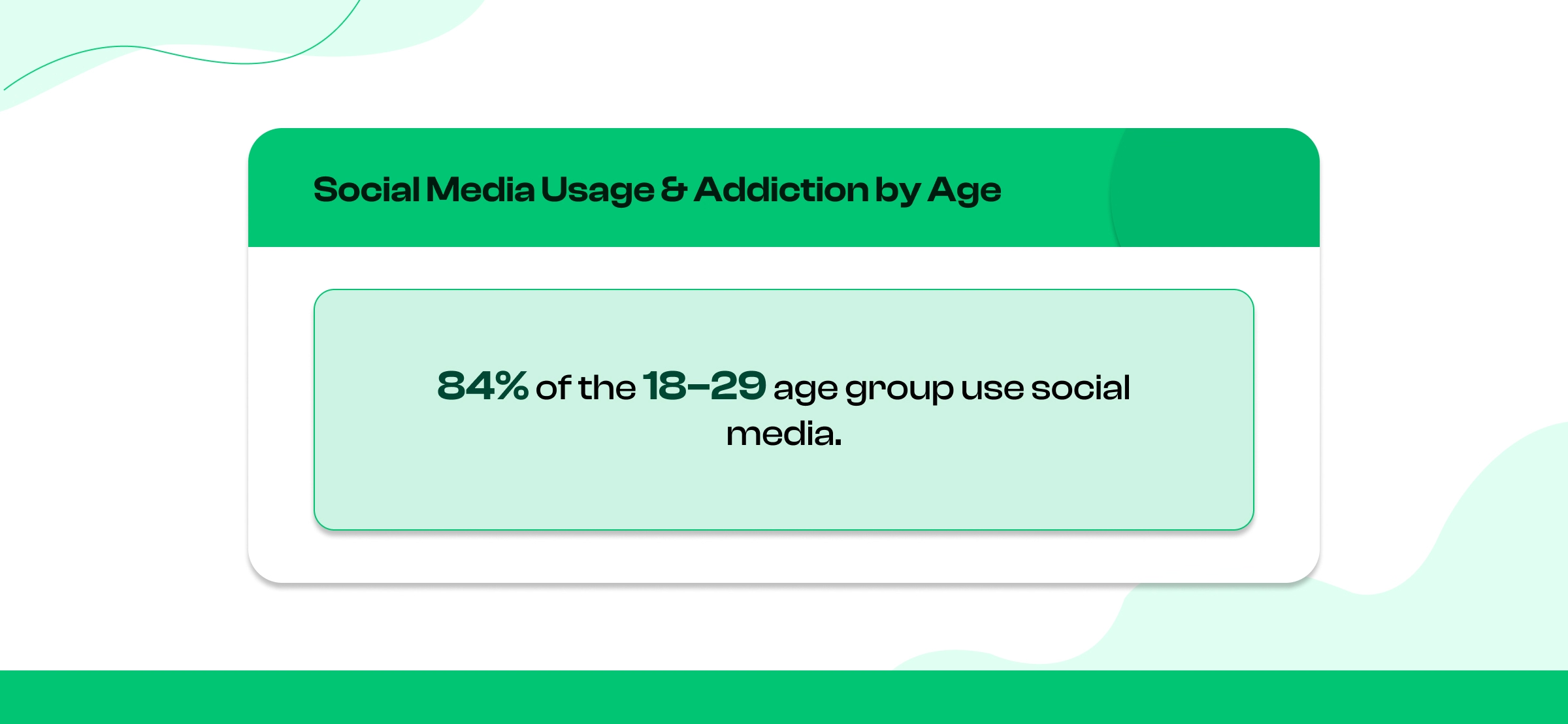
84% of the 18–29 age group use social media. Social media addiction statistics for teens have turned into a contagious, habitual pandemic. Experts are trying to assist people in overcoming such unproductive behavior patterns.
Social Media Addiction by Gender
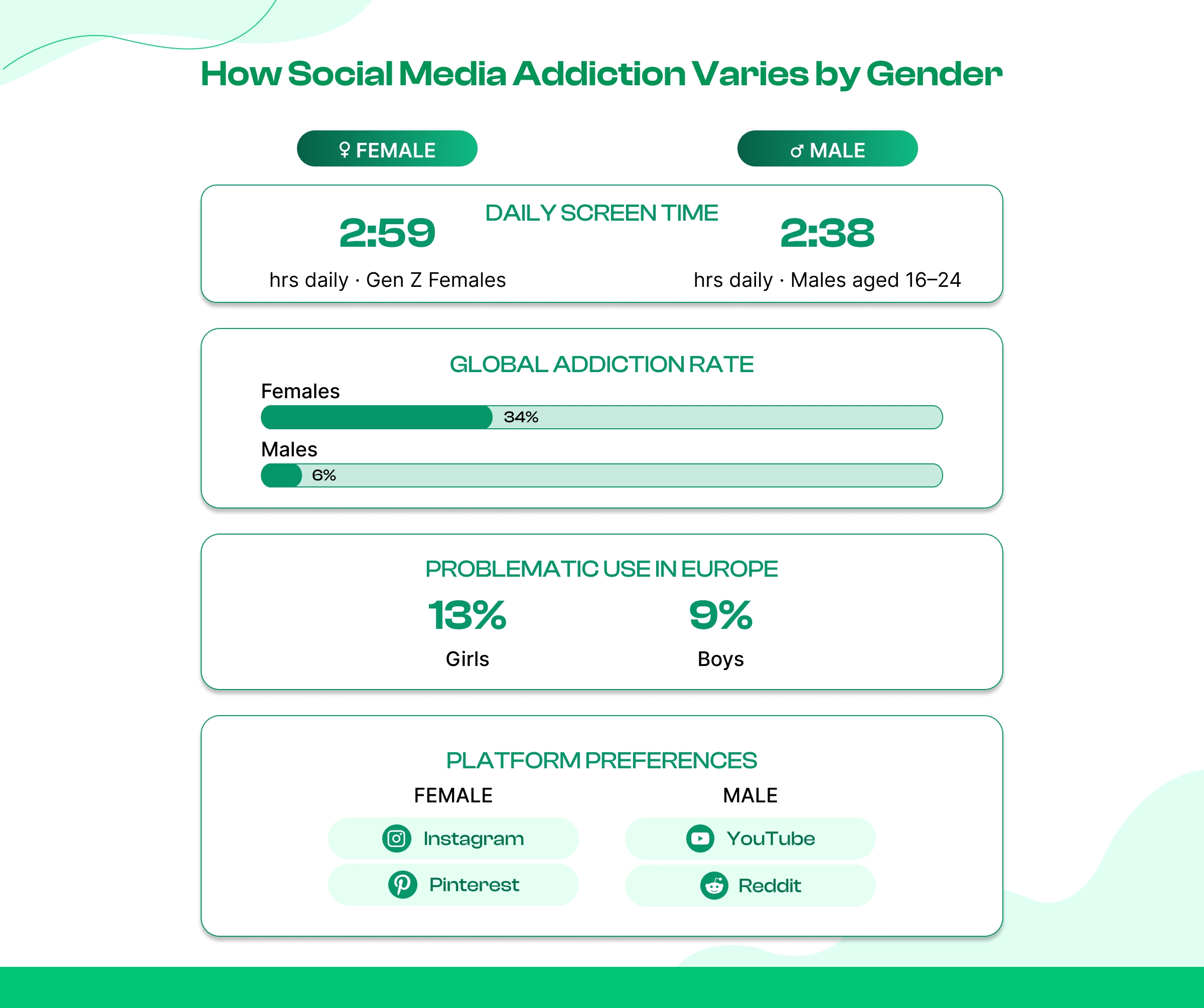
At a glance, gender-based overviews indicate females are more vulnerable even in the digital landscape. Cyberbullying, body image insecurities, and depression affect them more than boys.
Social Media Addiction by Region
Social Media Addiction Symptoms
Recognizing early social media addiction symptoms like feeling anxious when offline can help people scale back their usage before it worsens. Often, you may have experienced perceived vibration or heard this phenomenon among your peers. This is another firsthand side effect. Experts address it as phantom vibration syndrome.
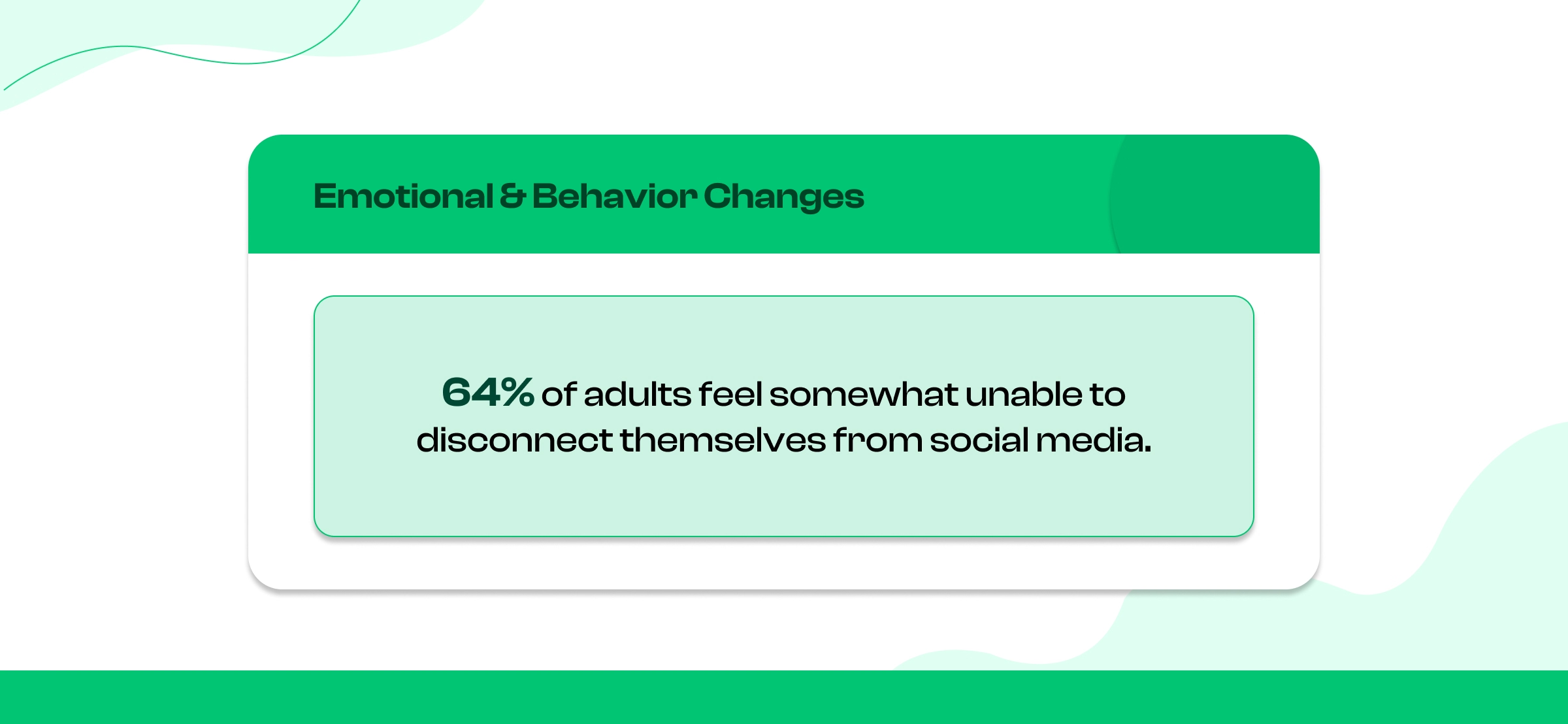
64% of adults feel somewhat unable to disconnect themselves from social media. This is a clear signal that poor social media attachment can intensely influence regular lifestyles and our daily tasks.
Here are the symptoms for social media addiction:
Effects of Social Media Addiction
Sleep deprivation and chronic anxiety are two of the most commonly documented social media addiction effects.It can lead to chronic activation of the HPA (Hypothalamic Pituitary Adrenal) and increased cortisol levels.
Social Media Addiction and Effects on Sleep
Workplace Productivity Loss
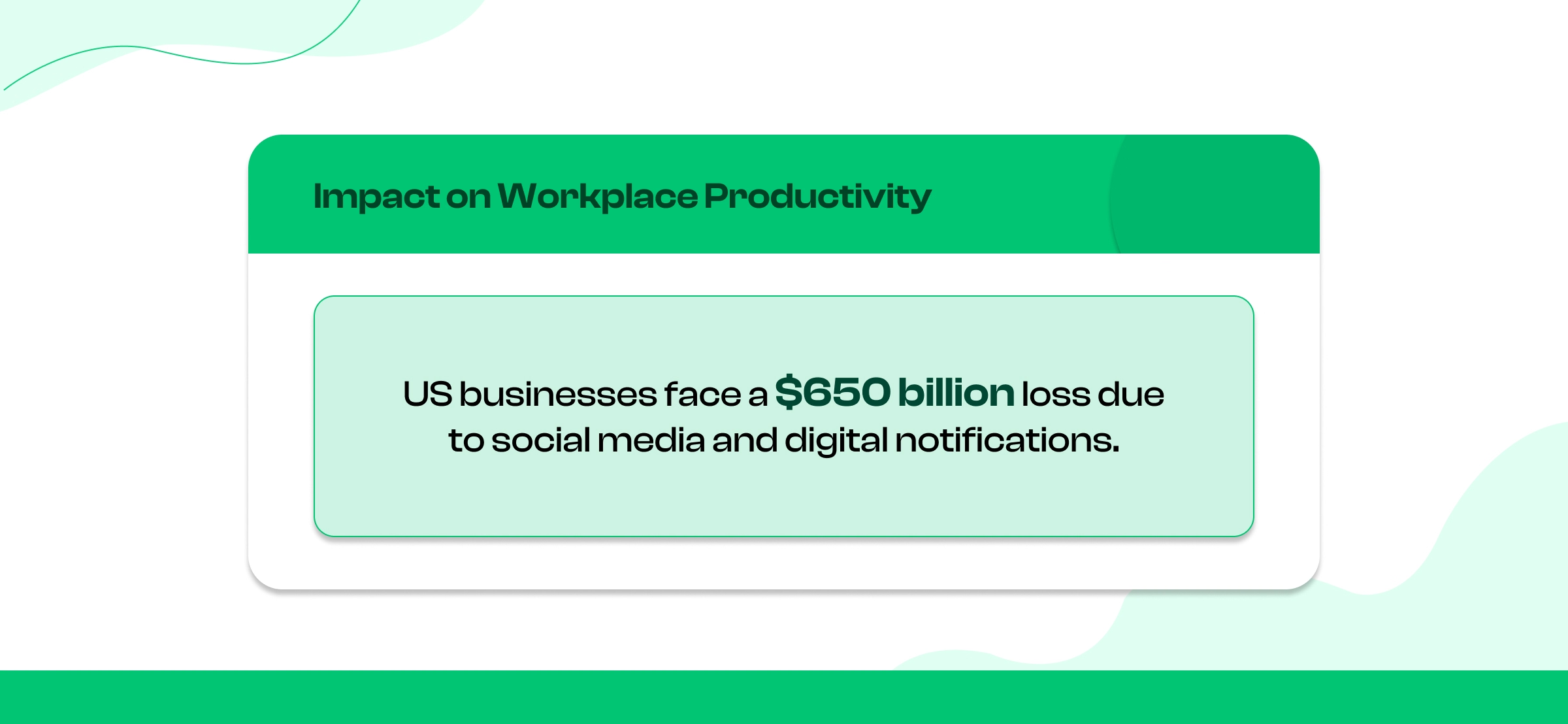
Can social media also cause a drop in employee productivity? The answer is, yes! Annually, US businesses face a $650 billion loss due to social media and digital notifications.
Why Did Social Media Use Increase in the Office?
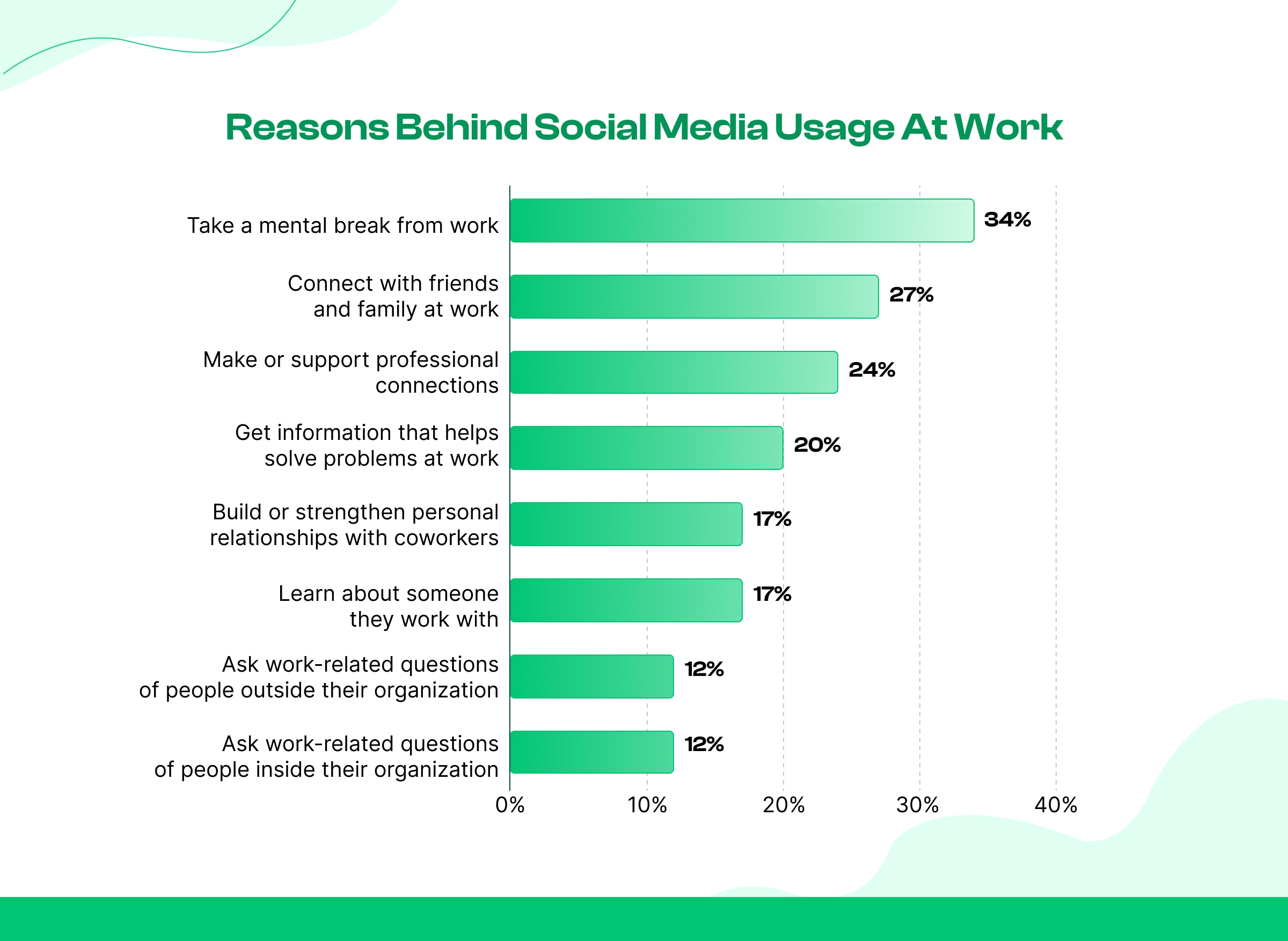
Researchers took the initiative to find the root cause of this misuse or distraction. It displayed 34% enjoying using social media for a mental break or to pass a tea break. Only 12% were looking for work or task-related solutions. Here are the causes of social media addiction in detail:
[Image credit: cropink.com]
Economic and Productivity Loss Due To Social Media Overuse
A recent survey highlighted 47% of workers use social media during working hours. Studies even found that workers spend 2.35 hours daily on social media. Causing a $28 billion annual loss. It clearly shows how online distractions drain company resources.
The effect also affects the labor industries. For some logistics and, likewise, businesses, problematic smartphone and social media use was found to cause a 12.73% decrease in gross value added (GVA).
On the flip side, this misuse is also hampering employees' personal growth. Recent research suggests that it takes 23 minutes to return to full focus after a single interruption.
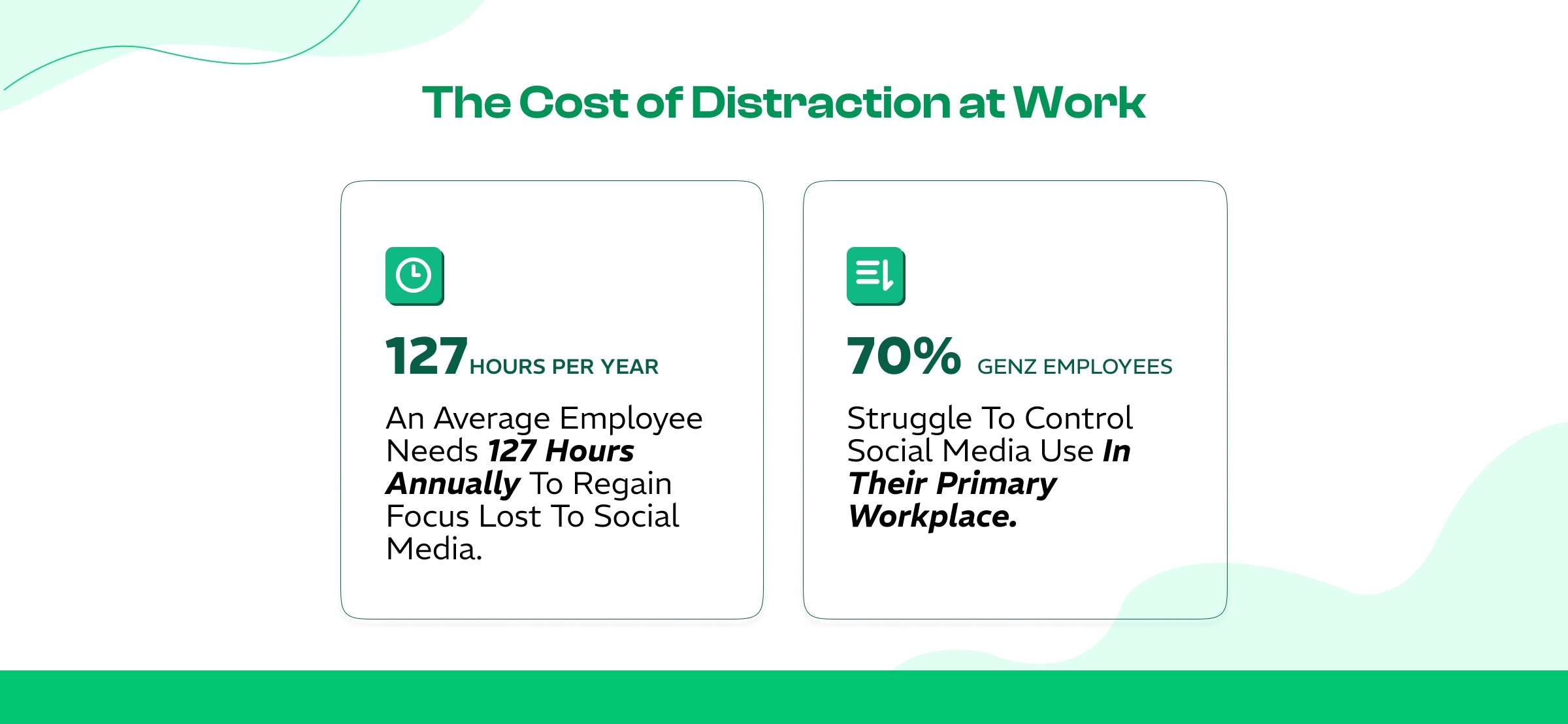
To regain focus from social media addiction, an average employee needs to spend 127 hours per year. 70% of Gen Z employees struggle to encounter social media use in their primary workplace.
Relationship & Social Effects
The relation between social media and human interaction is now gaining importance in academia, too. For the past half-decade, multiple studies have been dedicated to trying to observe its impact on social communication and human connectivity.
.avif)
Overall Impacts of Social Media Addiction
Is Social Media Addiction Recognized as a Disorder?
The major global diagnostic manuals, like the American Psychiatric Association or the WHO, do not formally recognize SMA as a clinical disorder yet. Primarily, behavioral experts are addressing it as problematic social media use
In the official diagnostic system, gambling disorders are included under the DSM-5-TR term. Gaming disorders are indexed under the ICD-11 category. Social media addiction has not yet been listed under any of these terms.
However, if you search google scholar for papers on digital wellness, you will find extensive evidence showing how screen time degrades real-world bonds.
However, unofficially, researchers of the National Institutes of Health acknowledge it as a major public health concern in India. Its widespread, alarming impact has already led to recommendations to address it as a new clinical entity.
Häufig gestellte Fragen
Reduziert die Umstellung des Smartphone-Displays auf Graustufen tatsächlich das Scrollen?
Ja, der Verzicht auf leuchtende Farben entzieht sozialen Apps ihre visuellen Belohnungsmechanismen, wodurch endlose Feeds für das Gehirn deutlich weniger anregend wirken.
Wie genau schadet „Phubbing“ zwischenmenschlichen Beziehungen in der realen Welt?
„Phubbing“ (das Ignorieren des Gegenübers zugunsten des Smartphones) beeinträchtigt die Intimität unmittelbar, da es dem Partner signalisiert, dass digitale Benachrichtigungen wertvoller sind als seine Anwesenheit.
Kann die klassische Kognitive Verhaltenstherapie (KVT) zur Behandlung von digitaler Abhängigkeit eingesetzt werden?
Ja, Therapeuten setzen häufig die KVT ein, um Betroffenen dabei zu helfen, die zugrunde liegenden emotionalen Auslöser wie Langeweile oder Einsamkeit zu erkennen, die zu zwanghaftem Scrollen führen.
Wird „Doomscrolling“ als eine eigenständige Form der Social-Media-Sucht eingestuft?
Doomscrolling ist kein eigenständiges Krankheitsbild, sondern ein zwanghaftes Symptom einer Sucht, bei dem Nutzer obsessiv durch negative Nachrichten scrollen, um Ängste auf maladaptive Weise zu bewältigen.
Beseitigen Website-Blocker am Arbeitsplatz soziale Medien als Ablenkungsquelle tatsächlich?
Nicht wirklich, da Netzwerkfilter abgelenkte Mitarbeiter meist nur dazu bewegen, vom Desktop-Computer auf ihr privates Smartphone mit mobilen Daten umzusteigen.

Tasnim ist ein Content- und Digitalvermarkter, der in Dhaka, Bangladesch, geboren wurde. Seit über dreizehn Jahren arbeitet Tasnim als Freelancer für mehrere Social-Media-Marketingunternehmen. Er hat Fähigkeiten in den Bereichen Copywriting, Content Marketing, SEO und Social Media Marketing erworben. Er ist eines der Gründungsmitglieder von SEOSkit, einem sehr aufregenden Suchmaschinenmarketing-Startup. In seiner Freizeit reist er gerne, liest und unternimmt fehlgeschlagene Musikversuche.
0 Comments
Great tips! I never realized how much engagement impacts growth more than just posting frequently. I've been focusing only on content, but now I see how interacting with my audience can make a difference. Time to step up my strategy!
Super helpful article! I always thought Facebook Groups were just for discussions and never really considered them as a tool for growing followers. The idea of actively engaging and sharing valuable content in relevant groups makes so much sense. I'll definitely start participating more and see how it impacts my page. Thanks for the great advice!