









Average Screen Time for Teens in 2026 (Daily Usage, Trends & Health Impact)


Teens today spend more time looking at screens than they do sleeping, and the number keeps climbing.
In 2026, the average screen time for teens racks up close to 9 hours of recreational screen time a day, driven by short-form video, gaming, and a nonstop stream of new content competing for their attention.
That's before homework even enters the picture. Behind that number sits a much bigger story: how screens are reshaping teen sleep, mood, and social life, and why some researchers are sounding the alarm while others urge a more balanced view.
This guide breaks down exactly how much time teens spend on their devices, which platforms dominate their day, and what the data actually says about the health effects, so you can separate the real trends from the noise.
What Is the Average Screen Time for Teens Per Day?
How Many Hours Do Teens Spend on Screens Daily?
The average screen time of teens aged 13-17 is about 8 hours and 39 minutes per day, not counting schoolwork. This is the latest available figure regarding global teen screen-time estimates as of 2026.
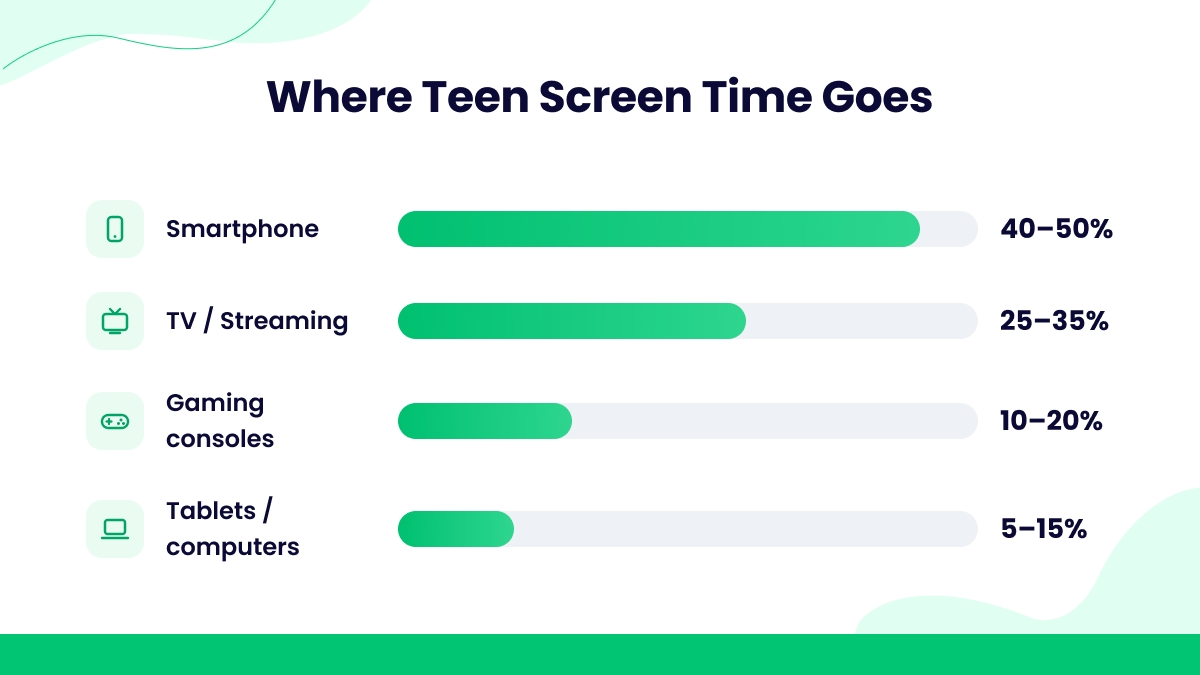
When broken down by activity, teens’ daily screen use typically includes:
Average Screen Time for Teens (Weekdays vs Weekends)
Teens typically use screens more on weekends than on weekdays. School limits screen time on weekdays, while weekends allow for longer gaming, browsing, and video sessions.
Screen Time by Age Group (13-14 vs 15-17)
When analyzing the average screen time by age, distinct shifts become obvious as children grow into older brackets. Older teens aged 15-17 are more likely to exceed 4 hours of daily screen time than younger teens aged 13-14.
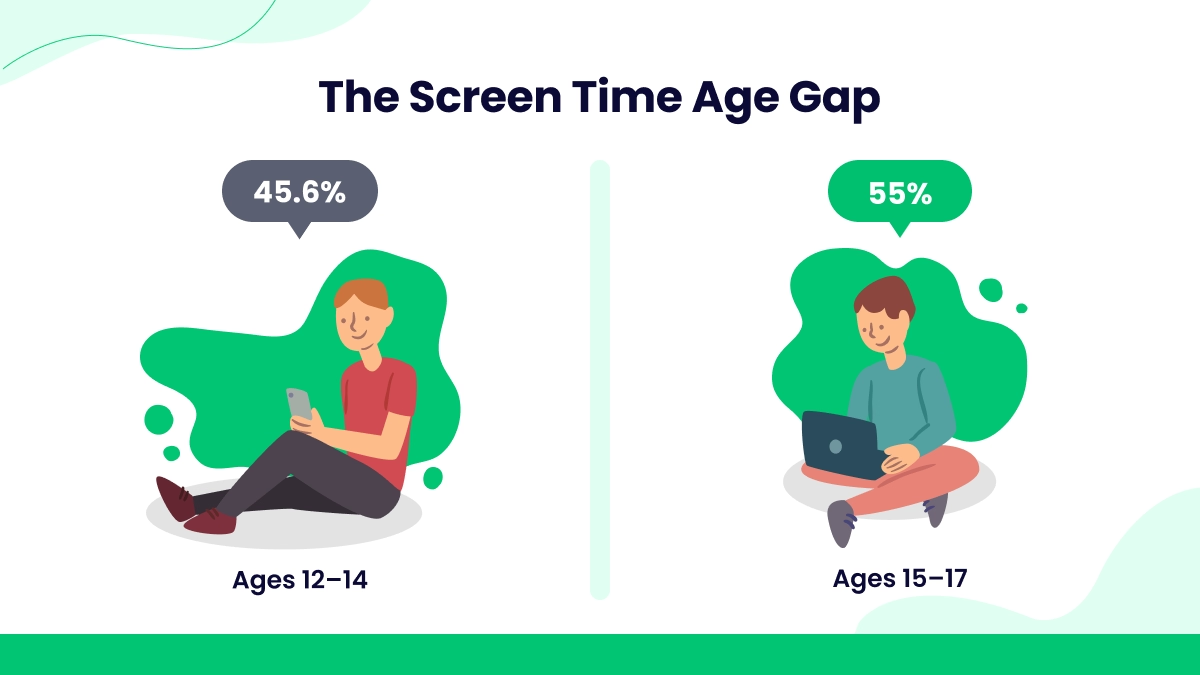
According to CDC data, 55% of 15-17-year-olds reported over 4 hours of screen time, while 45.6% of 12-14-year-olds reported the same.
This suggests older teens not only spend more time but also engage more intensively with devices for social, entertainment, and leisure purposes as they age.
Screen Time by Activity
Global and US baseline averages for internet connected devices in 2026.
Teen Screen Time Trends (2015-2026 Growth Analysis)
The more advanced technology gets, the more screen time for teenage users increases.
How Teen Screen Time Has Increased Over the Years
Over the past decade, wider smartphone ownership and a richer library of online content have driven a steady climb in average screen time.
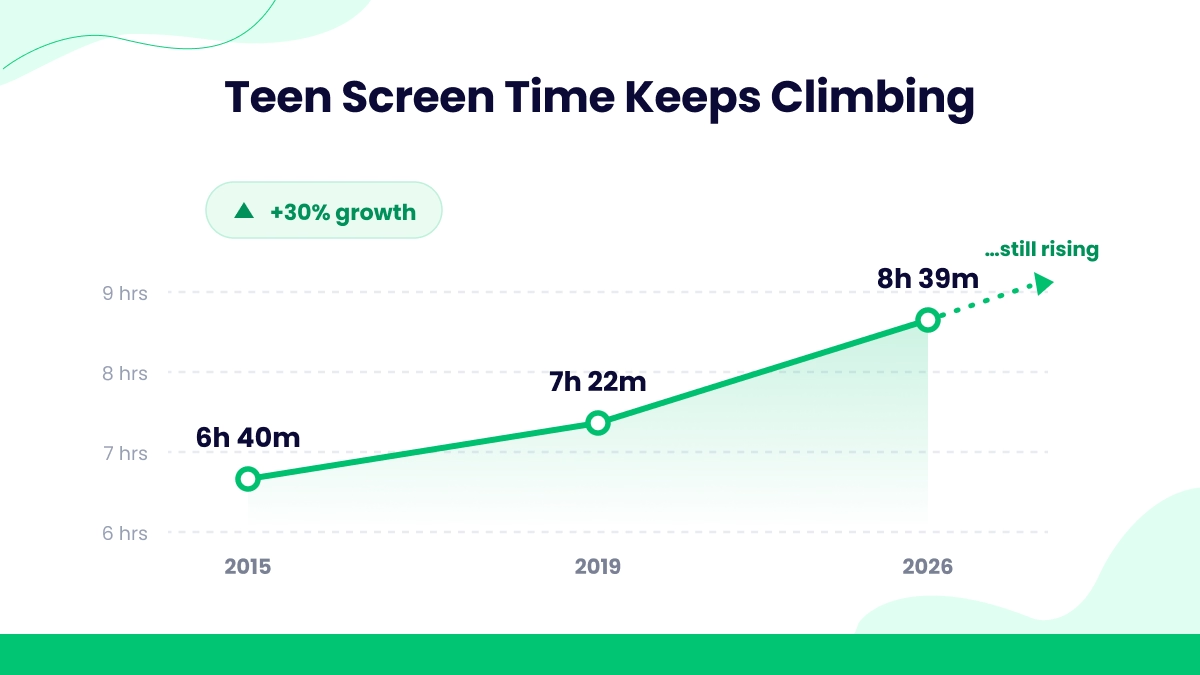
So, the pandemic accelerated trends that were already rising. Before smartphones were widespread, teens spent far less time on screens.
Did the Pandemic Permanently Increase Average Screen Time for Teens?
Yes, it did. Research shows a marked pandemic-linked increase that didn't fully reverse after lockdowns were lifted.
During COVID-19, meta-analyses show screen time for children and adolescents increased by about 52% compared to pre-pandemic levels, or roughly 1.4 hours more per day.
Even after schools and activities resumed, teens maintained higher daily averages than pre-2020 trends.
Is Teen Screen Time Still Rising in 2026?
Current data suggest that while the rate of growth has slowed compared with the pandemic spike, average daily average screen time for teens remains high going into 2026.
Digital usage surveys project that teens' daily screen use may approach or exceed 9 hours per day. This continues the upward trajectory that has held since 2015.
Screen Time Breakdown by Device
Let's look at which devices account for the most teen screen time.
Average Smartphone Screen Time for Teens
Smartphones dominate average screen time for young adults. They account for roughly 40-50% of teens' total daily recreational screen use.
Pew research shows 95% of teens own or have access to smartphones, and most use them daily for apps, browsing, and messaging.
Platforms like TikTok and YouTube lead engagement, with short-form video driving especially heavy use among Gen Z.
Gaming vs Social Media Screen Time
Gaming and social media are the most dominant categories of teen screen time.
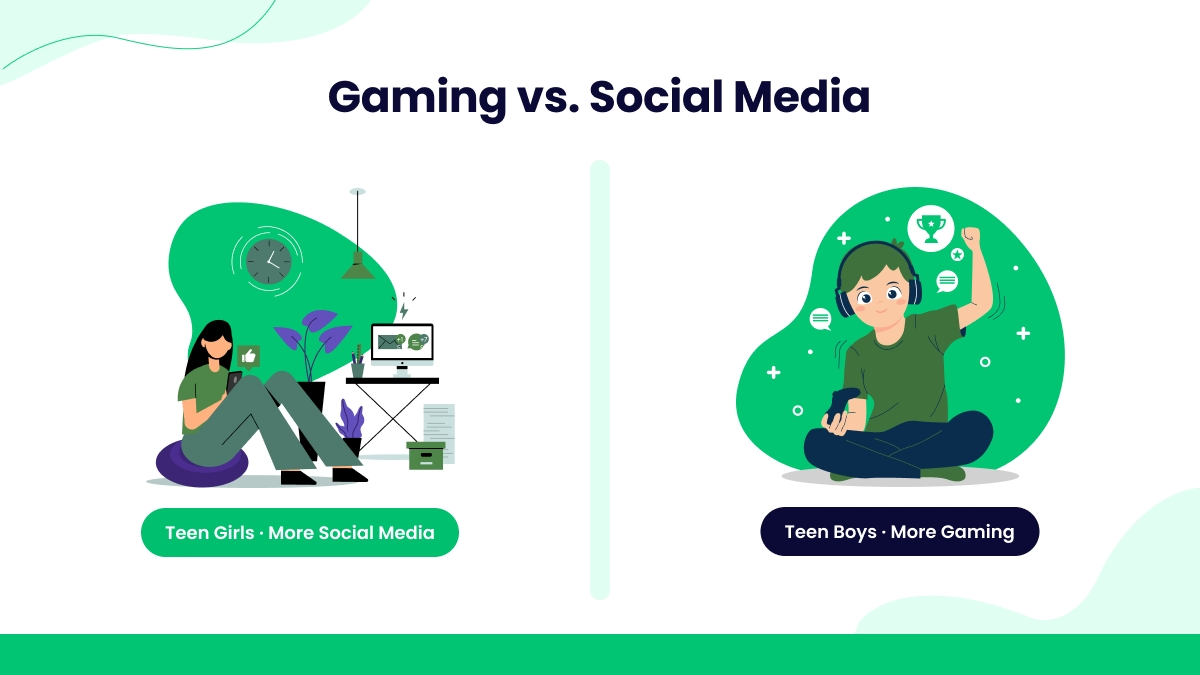
Gaming tends to occupy more time among teen boys. Meanwhile, social media and video platforms attract relatively more time from teen girls. However, smartphone use cuts across both groups.
Platforms that combine social features with entertainment, like TikTok videos or YouTube Shorts, blur the line between gaming and social use and keep teens engaged on their phones for longer stretches.
TV and Streaming Consumption Among Teens
While traditional TV viewing has declined among teens, streaming via devices has largely replaced it. Services like Netflix and YouTube have become central to evening screen habits, and teens increasingly watch them on phones or tablets rather than TVs.
Apart from that, short-form videos are particularly popular with teens. A major portion of teenagers screen time is dedicated to streaming services and quick video updates on mobile platforms.
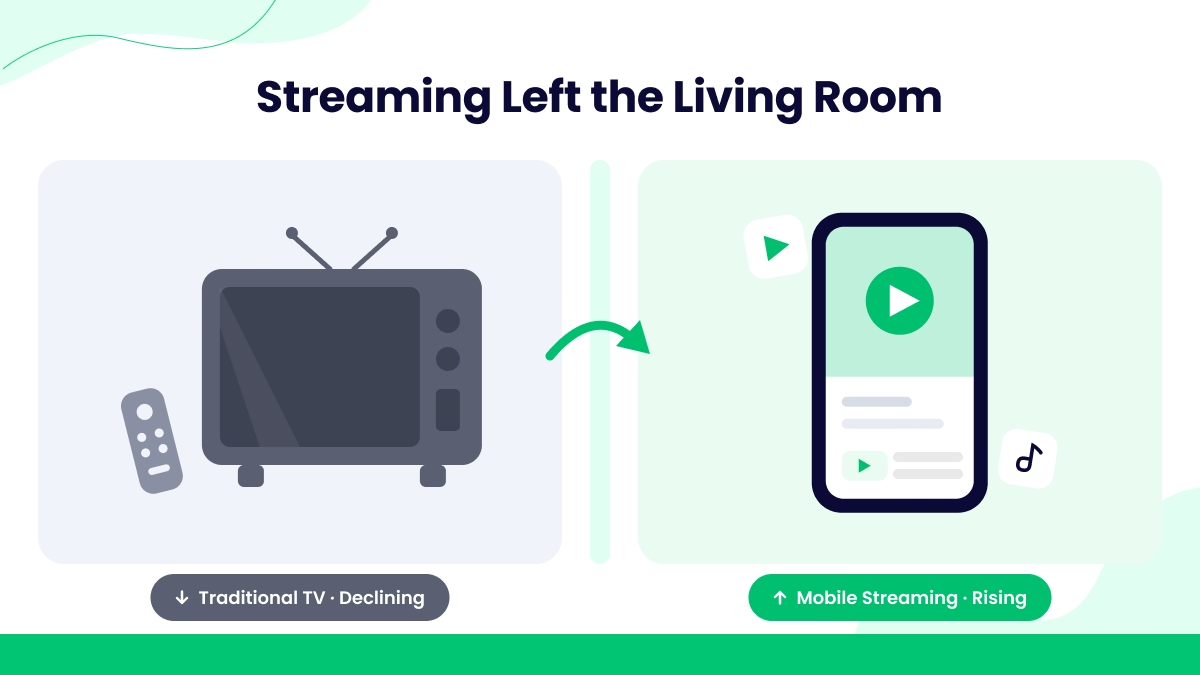
Mobile devices, especially smartphones, remain the primary means for teens to interact with video, games, and social media platforms in 2026.
Social Media Usage Among Teens
Social media platforms are highly active spaces for teenagers and make up a core share of their screen time.
Most Popular Platforms for Teens
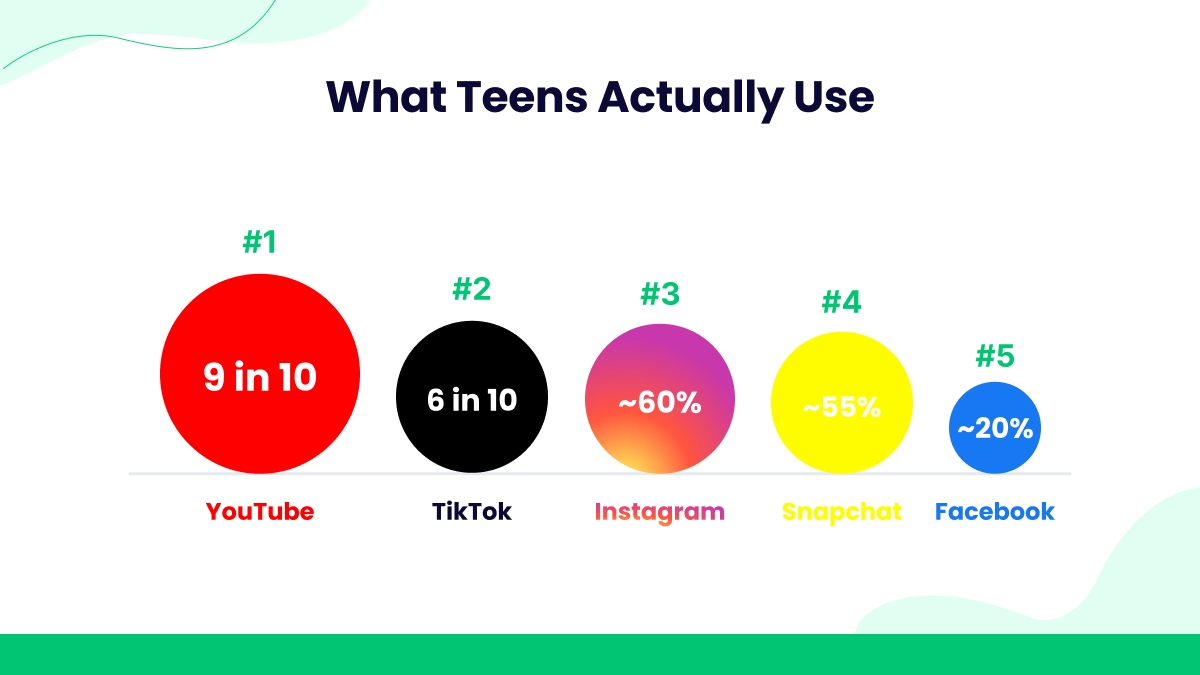
According to the latest surveys, most US teens ages 13-17 say they use the following platforms:
Facebook and other platforms show much lower usage among this age group.
Average Daily Time Spent on Social Media by Teens
Many parents wonder exactly how much time do teens spend on social media compared to other digital activities? Here’s how frequently teens engage with these platforms:
How Many Teens Say They Are “Almost Constantly Online”?
Across the main social platforms, about one-third of teens (≈ 33-36 %) say they use at least one site “almost constantly”.
Screen Time and Mental Health Statistics
Experts often link teens' mental health directly to their screen time and social media use.
Screen Time and Anxiety or Depression Rates
According to the CDC’s National Health Interview Survey-Teen, teens who report 4 or more hours of recreational screen time per day are more than twice as likely to show symptoms of anxiety (27.1% vs 12.3%) and depression (25.9% vs 9.5%), compared with those with lower screen exposure.
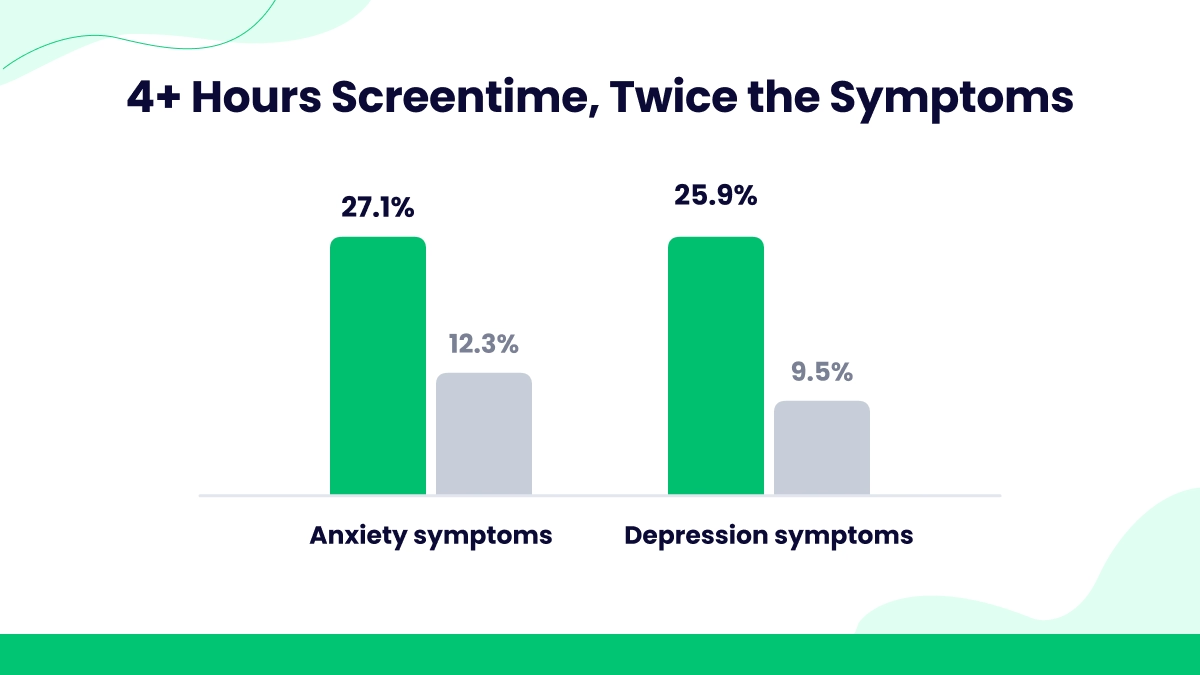
This isn't direct proof that higher screen time causes anxiety and depression, but it does show a clear link between higher screen use and poorer mental health indicators.
Experts like the American Academy of Pediatrics (AAP) emphasize the need to balance digital use with offline activities and sleep. AAP notes that excessive screen engagement can be part of broader lifestyle patterns that affect emotional well-being.
AAP now encourages families to create personalized “media plans” rather than rigid screen limits, given the constant presence of technology in teens’ lives.
Impact of Screen Time on Teen Sleep
Screens, particularly smartphones and tablets, emit blue light that can suppress melatonin, the hormone that helps regulate sleep. This makes it harder for teens to fall asleep at night.
Late-night browsing or social media scrolling contributes to irregular sleep routines and leaves teens feeling less rested. CDC data show teens with high screen use are significantly more likely to report irregular sleep patterns and insufficient sleep.
Insufficient sleep, which is common among teens with heavy screen use, is highly associated with challenges in concentration, mood regulation, and overall health. It can also affect academic focus.
Does Excessive Screen Time Affect Academic Performance?
Not every study finds a direct causal link between excessive screen time and a downgrade in academic performance.
However, multiple clinical analyses and pediatrician policy statements note that excessive recreational screen time is connected to lower academic performance. Especially when it displaces sleep, physical activity, or focused homework.
It’s also associated with reduced attention and poorer cognitive outcomes. According to WHO, over 23% of adults fail to get enough physical activity; that number skyrockets to 80% among teens and adolescents.
These associations appear in research examining behavioral patterns and school outcomes. However, individual study results can vary depending on age, activity type, and context.
Recommended Screen Time Limits for Teens
What Does the American Academy of Pediatrics Recommend?
AAP no longer gives a single “magic number” of hours for teens’ average screen time, as digital media now includes very different activities, such as learning, socializing, and entertainment.
Instead, AAP focuses on quality and balance. It now asks families to make sure media doesn't replace sleep, physical activity, homework, and real-world social time. AAP also encourages families to create personalized media plans with clear expectations for when and how teens use screens.
That said, AAP historically suggested limiting non-educational screen use so it doesn't interfere with healthy routines, and it recommended using parental controls or screen-free times, such as during meals or bedtime.
What Is Considered Excessive Screen Time for Teenagers?
There's no official cap on screen time for teens. But public health researchers commonly flag 4+ hours as excessive. Meaning below 4 hours is okay as average teenager screen time. As justification, they cite its connection with negative health outcomes, such as sleep disruption, reduced physical activity, and poorer mental health measures.
How Much Recreational Screen Time Is Healthy?
Instead of a one-size-fits-all number, experts suggest that healthy screen use means:
Teens need to follow routines that let them enjoy media without letting screens dominate their day.
Screen Time by Gender and Demographics
You may wonder which gender spends more time on screens.
Do Boys or Girls Spend More Time on Screens?
Research shows that recreational screen time does not differ widely between teen boys and girls.
Boys tend to spend more time gaming, while girls engage more frequently with social media and messaging platforms.
Urban vs Rural Teen Screen Usage
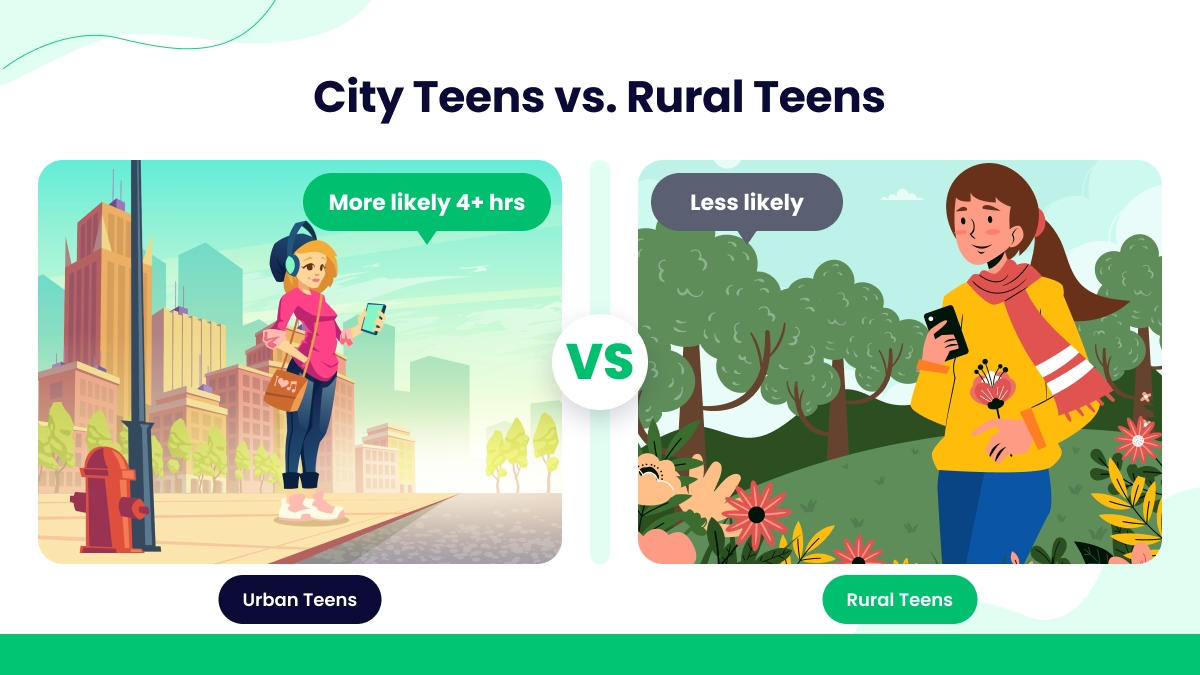
Location also plays a role. Teens living in urban areas are more likely to report 4 or more hours of daily screen time than those in rural areas.
Global vs US Teen Screen Time Comparison
Teens in the United States have high access to tech, and their screen time reflects it.
Average Screen Time for Teens in the United States
In the United States, teens tend to spend more time on screens than the global average. Recent estimates suggest that the average screen time for teens in America is around 7-8 hours per day. And up to 41% of them report 8+ hours of recreational screen time on a typical day.
This level is above the global average, which sits around 6 to 7 hours when measuring the average screen time for young adults and teenagers combined. High smartphone penetration, abundant streaming content, and widespread social apps use shape screen habits in the US.
Teen Screen Time in Asia and Europe
Patterns vary widely across regions. In parts of Asia and Europe, the average teen screen time ranges broadly depending on cultural norms, digital access, and leisure preferences.
For example, some Asian countries report below-average screen time because families impose structured routines or because teens have lower recreational device access.
Meanwhile, European teens often balance screens with outdoor and social activities, with total averages close to global norms but with fewer extreme outliers than in the US.
Countries with the Highest Teen Digital Usage
Some countries stand out for the highest average daily screen engagement, across all ages, but reflecting teen trends too:
US teens come in slightly lower but still well above many national averages.
Warning Signs of Excessive Screen Time
This segment will help you notice behavioural signals that could suggest teens’ screen use may be more disruptive than healthy. This is not medical advice. It's just practical patterns parents and caregivers often observe.
Signs of Screen Addiction in Teens
Teens may show signs of problematic screen use when:
These patterns can indicate over-dependence if they’re persistent and interfere with daily routines.
When Should Parents Be Concerned?
Parents might consider paying extra attention when:
Noticeable behavior changes like these don’t necessarily mean a clinical problem. But they’re signals worth observing and discussing with teens to understand how screens are affecting their physical and mental well-being.
Final Thoughts
The average screen time for teens is continuously increasing, and pretending otherwise won't help anyone. What matters more than the raw hours is what those hours replace: sleep, movement, and real conversations.
The data is clear that heavy screen use correlates with more anxiety, worse sleep, and lower academic focus, but it's also clear that not all screen time is equal.
The goal isn't a number on a clock. It's building habits where screens add to a teen's life instead of quietly taking it over, one scroll, one notification, one late night at a time.
Frequently Asked Questions
How many hours of screen time is normal for a 14-year-old?
Health experts generally recommend limiting non-educational, recreational screen time to 2-4 hours or less per day.
Is 7 hours of screen time too much for a teenager?
Yes, research links exceeding 4 hours of daily recreational use to higher rates of anxiety and sleep disruption.
What percentage of teens use social media daily?
Over 70% of teens use at least one social media platform every day. About one-third of teens report they are online almost constantly.
What is the average screen time for Gen Z?
Teens average 7 to 8 hours of recreational screen time daily. Total daily exposure is often higher when including schoolwork and multitasking.
How does screen time affect teenage brains?
Excessive or late-night use can disrupt sleep, attention, and emotional regulation. Screen time remains beneficial when used for creative, educational, or positive social activities.

Tasnim is a content and digital marketer born in Dhaka, Bangladesh. For over thirteen years, Tasnim has worked as a freelancer for several social media marketing companies. He has acquired skill sets in copywriting, content marketing, SEO & social media marketing. He’s one of the founding members of SEOSkit, a very exciting search engine marketing startup. In his free time he likes to travel, read, and make failed attempts at music.


0 Comments
Great tips! I never realized how much engagement impacts growth more than just posting frequently. I've been focusing only on content, but now I see how interacting with my audience can make a difference. Time to step up my strategy!
Super helpful article! I always thought Facebook Groups were just for discussions and never really considered them as a tool for growing followers. The idea of actively engaging and sharing valuable content in relevant groups makes so much sense. I'll definitely start participating more and see how it impacts my page. Thanks for the great advice!