



Youtube

YouTube Marketing: The Ultimate Guide for Scaling

Updated on:
November 27, 2025
|

Marketing products on YouTube does not mean jumping in and interrupting people. It means joining the conversation and showing stories that move.

Whether you run a small business or a big brand, YouTube marketing in 2025 asks three questions:

  • What to say
  • where to say it
  • When to say it

We will break down clear, step-by-step strategies to make your YouTube marketing work.

Want to grow your YouTube channel faster? Increase video views, likes, and reach instantly with SocialPlug.

What is YouTube Marketing?

YouTube marketing enables you to promote your brand, product, or service to millions. 

Success in YouTube marketing comes from content, not random posts. Your videos must educate, entertain, or inspire action.

Here Are The Core Components of YouTube Marketing:

Category Key Actions
Channel Optimization Keep your channel clear, branded, and professional.
Content Strategy Watch trends and audience interests. Make videos they want to see.
YouTube SEO Utilize the right keywords, titles, tags, and thumbnails to increase your discoverability.
Advertising & Promotion Run ads like in-stream, discovery, or Shorts to reach the right people.
Analytics & Optimization Track watch time, CTR, and retention. Improve your videos based on data.

Why does YouTube marketing matter today?

YouTube has 2.7 billion monthly users. People come to learn, compare, and decide. 

Targeting tools and Google Ads make it easier to reach them.

You can also expect:
  • Brand Awareness: Tell human stories that connect.
  • Leads: Use links, CTAs, and landing pages.
  • Conversions: Turn viewers into buyers and retarget interested users.
  • SEO Boost: Rank on Google and grow visibility.
  • Long-Term Engagement: Evergreen videos keep traffic flowing for months or years.

Here Are 5 Types of Videos That Perform Best in 2025
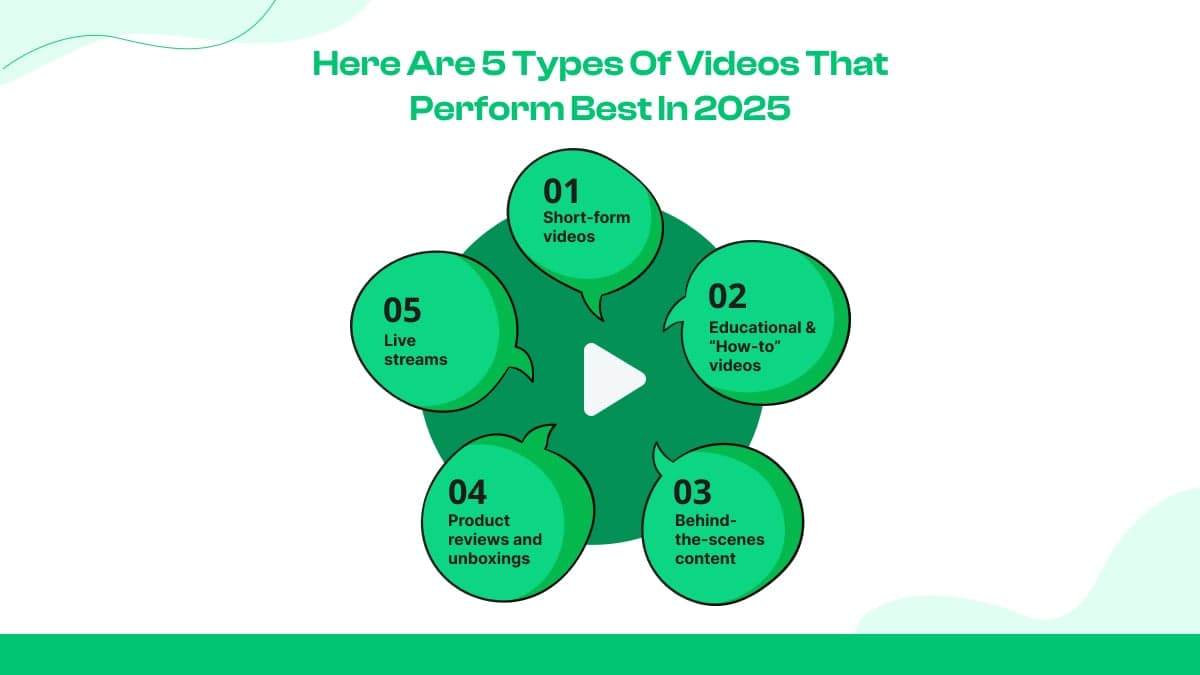
Here Are 5 Types of Videos That Perform Best in 2025

Authenticity and utility are the heart of YouTube’s content.

  • 1. Short-form videos (YouTube Shorts)
    These videos last under 60 seconds. They grab attention fast. They boost discoverability.
  • 2. Educational & “How-to” videos
    Tutorials, explainers, and product walkthroughs solve problems. People love content that teaches.
  • 3. Behind-the-scenes content
    Show your audience what happens off-camera. It makes your brand feel human.
  • 4. Product reviews and unboxings
    These work well for e-commerce and tech. They give trust and clarity to buyers.
  • 5. Live streams
    Engage your audience in real time. Answer questions, react, and connect directly.

Try blending formats. Shorts can guide viewers to longer videos.

How to Plan a Content Calendar for Consistent Uploads?
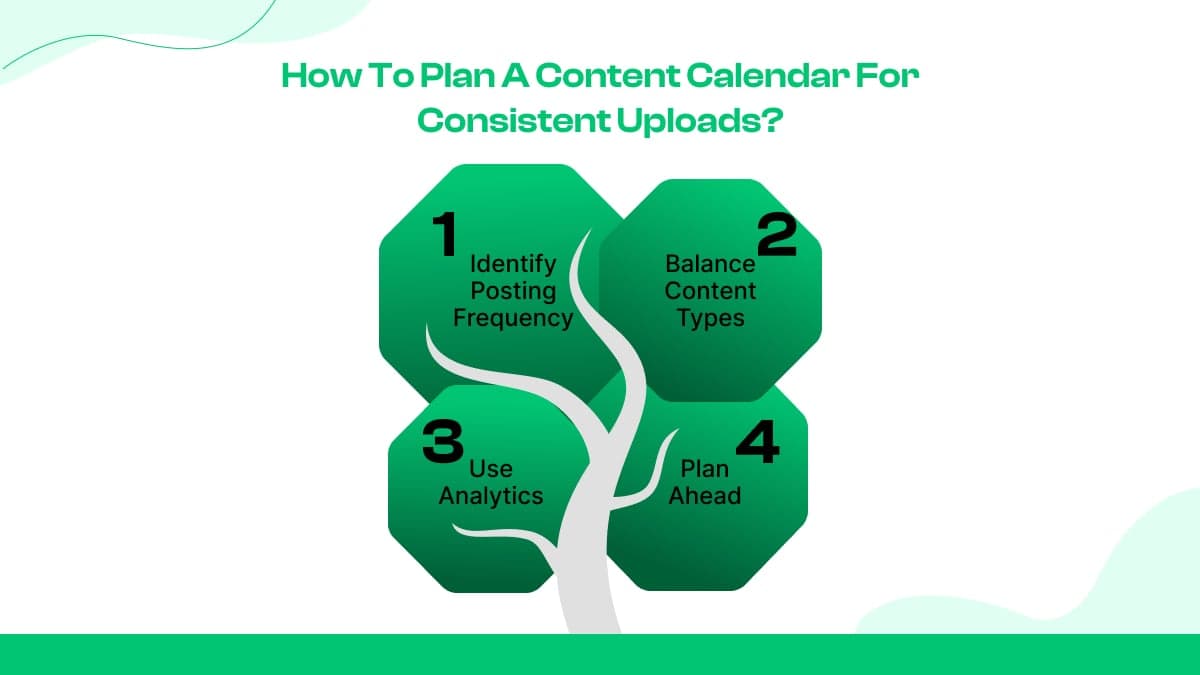
How to Plan a Content Calendar for Consistent Uploads?

A solid content calendar keeps uploads consistent. It also adds variety. 

Here’s how to plan in just 4 steps:

  • 1. Identify posting frequency
    Post 1–2 videos per week. It keeps your audience hooked without overwhelming them.
  • 2. Balance content types
    Mix educational, promotional, and community content. Variety keeps viewers interested.
  • 3. Use analytics
    Check when your audience is active. Post when they are ready to watch. Analytics give you the perfect posting time.
  • 4. Plan ahead
    Make videos in bulk. Schedule them to release later. Tools like YouTube Studio, Hootsuite, or Buffer make this easy.

A content calendar keeps your strategy organized. It also keeps viewers waiting for your next video.

3 Types of YouTube Marketing Strategies
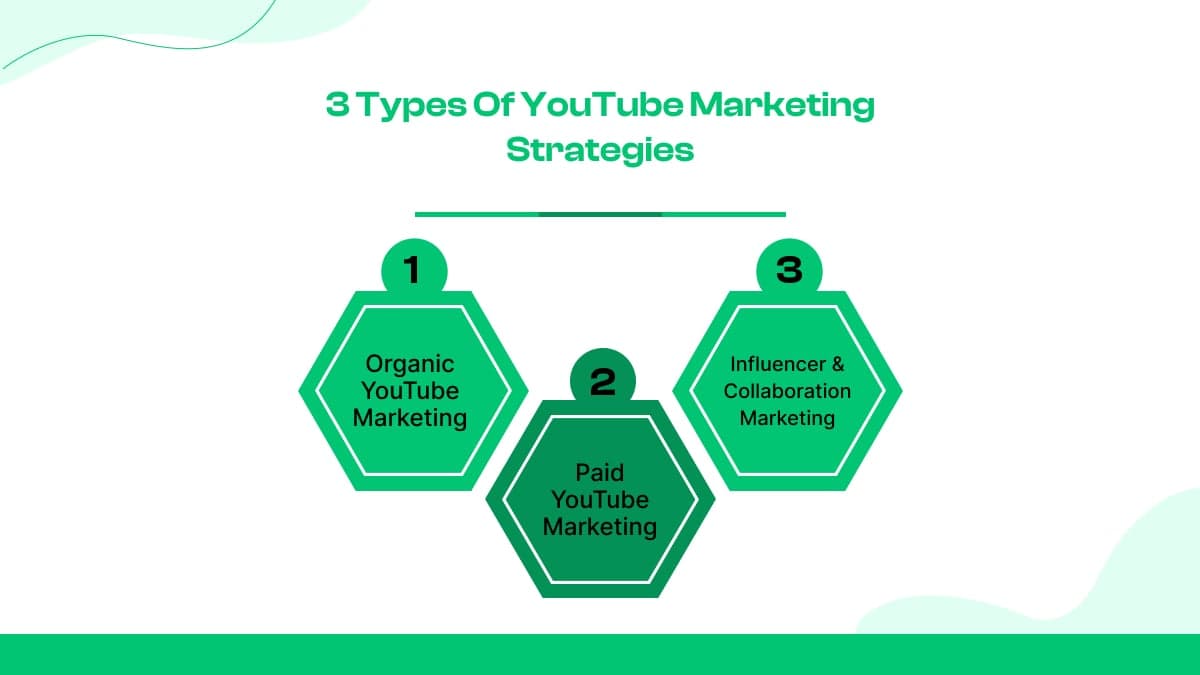
3 Types of YouTube Marketing Strategies

There’s no one-size-fits-all approach to YouTube marketing. 

In order to maximize reach and engagement, successful brands combine multiple strategies, such as organic growth, paid advertising, and influencer partnerships. 

1. Organic YouTube Marketing

To grow your brand, go organic. 

How to Grow Your Channel Organically?

The organic option focuses on growing your audience naturally. Quality content, consistency, and community engagement are key to organic marketing instead of paid promotions.

Here are some key steps:
  • 1. Consistency
    Upload at least once a week to improve your visibility in YouTube’s recommendation system.
  • 2. Engage actively
    Actively engage with your audience by responding to their comments, asking questions, and encouraging them to participate more.
  • 3. Optimize visuals
    To increase CTRs, use readable titles, branded thumbnails, and keyword-rich descriptions.
  • 4. Collaborate
    Engage in cross-promotion by partnering with similar, like-minded creators.

    Though organic audience growth can take time, it helps you earn long-term trust and loyalty.
  • 5. Using Video SEO to Increase Visibility
    It’s important that your content ranks higher and attracts more users. Here’s how you can do so:
    • Using relevant keywords in titles, descriptions, and tags.
    • Adding proper captions and transcripts to make YouTube’s algorithm understand your content better.
    • Increasing viewer watch time — longer sessions make your content more valuable to YouTube.
    • Grouping similar videos into playlists to increase session duration and improve ranking potential.

2. Paid YouTube Marketing

Now, let’s move towards paid marketing. 

Types of YouTube Ads (TrueView, Bumper, Display)

You can reach specific audiences through paid marketing. YouTube offers several ad formats to match your goals-

YouTube Ad Types:
  • 1. TrueView Ads
    These skippable ads play before or during videos. You’ll only have to pay if viewers watch it for at least 30 seconds or engage. They are great for storytelling and brand awareness.
  • 2. Bumper Ads
    These ads have a 6-second duration and are non-skippable. They are designed for short, high-impact messages — ideal for recall and reach campaigns.
  • 3. Display Ads
    Display ads appear beside videos or in search results. They are effective for driving traffic to landing pages or websites.

Based on your priority, such as awareness or engagement, you can try going for different ad formats. 

How to Set a YouTube Ad Budget?

YouTube ads operate on a cost-per-view (CPV) or cost-per-thousand impressions (CPM) model.

On average:
  • CPV: Around $0.01 to $0.03 per view
  • CPM: Around $4–$10 per 1,000 views

To build an effective budget:
  • 1. Test different ad formats
  • 2. Track CTR, view rate, and conversion rate
  • 3. TReallocate funds to the best-performing campaigns

You can use Google Ads’ Campaign Planner to get help with the spending forecast. 

Targeting the Right Audience with YouTube Ads

Targeting will help you reach the people who are most likely to convert. 

YouTube allows targeting by:
  • Demographics: Age, gender, income, location
  • Interests and behavior: Based on watch history and search intent
  • Custom audiences: Retarget users who visited your website or engaged with your videos

Combining Organic Growth and Paid Ads for Maximum Reach

You can opt for a combination of organic content and targeted YouTube Ads to bring your desired results.

  • Organic growth: Being consistent in uploading and optimizing your metadata, like titles, tags, and descriptions properly, will help you achieve organic growth.
  • Paid campaigns: You can reach your desired demographics with skippable in-stream ads, bumper ads, or Shorts ads. You can also retarget your website visitors this way.

How to Optimize Ad Campaigns for ROI?

To make every dollar that you spend on ads count-

  • Target precisely: Use custom audiences and in-market segments via Google Ads.
  • Focus on the first 5 seconds: As attention spans are short, make sure to hook viewers as early as possible.
  • A/B test creatives: Test thumbnails, CTAs, and video lengths. Analyze results and apply improvements.
  • Track and refine: Monitor CPV (Cost Per View), CTR, and conversion rate to optimize performance.
  • Retarget wisely: Try to re-engage viewers who watched but didn’t convert.

3. Influencer & Collaboration Marketing

Influencer and collaborator marketing can be a game-changer for your YouTube marketing campaign. 

How Influencer Marketing Works on YouTube

Influencer marketing is one of the fastest-growing strategies, as with this, brands collaborate with creators who already have the trust of their intended audience.

Creators promote products through reviews, tutorials, unboxings, or integrations. This way, they naturally blend your brand into their content. Such a peer-based recommendation system feels authentic and helps build credibility.

Choosing the Right YouTube Influencers for Your Niche

Here’s how to do it right-

  • Relevance: Make sure that the creator’s niche aligns with your brand.
  • Engagement rate: Don’t just look at follower count; rather, check comments, likes, and watch time.
  • Authenticity: Choose influencers who genuinely believe in your product.

How to Start a YouTube Marketing Campaign?
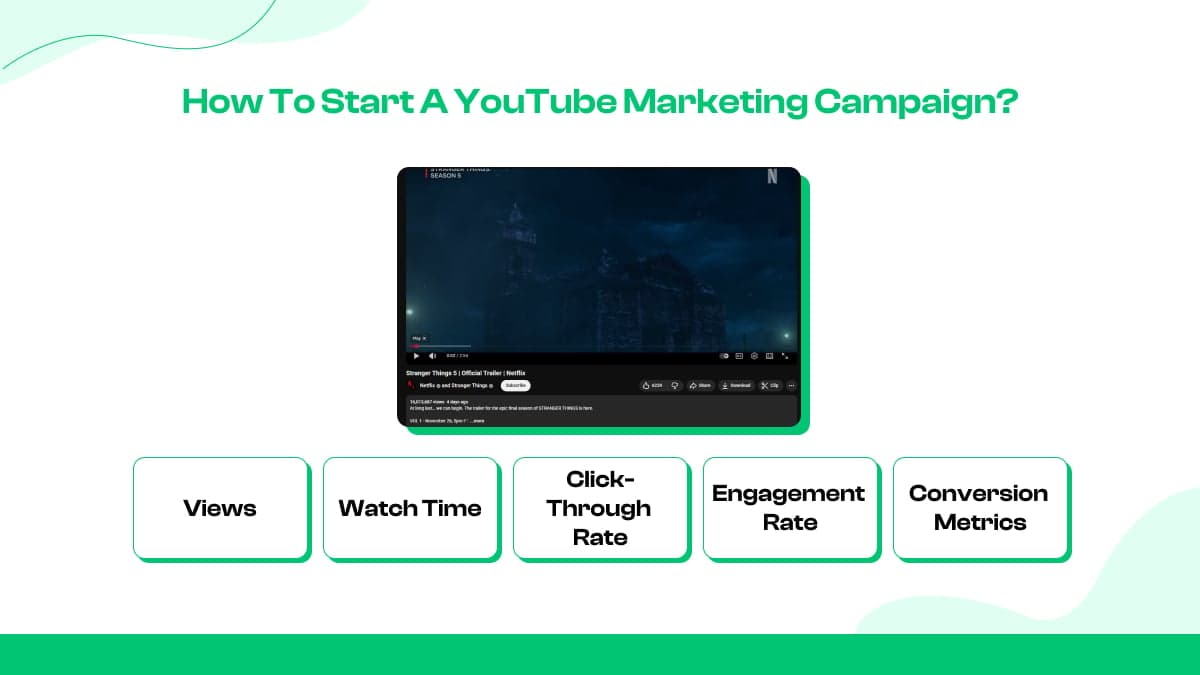
How to Start a YouTube Marketing Campaign?

You need to set clear goals, know your audience, and create a strong content plan when starting.

1. Setting Goals for YouTube Marketing

The first step is to set a clear goal for your marketing campaign. 

How to Define Measurable KPIs (Views, Watch Time, CTR)

Common YouTube marketing KPIs include:
  • Views: The total number of times your video is watched; it’s a basic indicator of your reach.
  • Watch Time: The total minutes viewers spend watching your videos. YouTube’s algorithm prioritizes this metric heavily.
  • Click-Through Rate (CTR): What percentage of people click on your video after finding it through search results or recommendations.
  • Engagement Rate: Likes, comments, and shares from your audience.
  • Conversion Metrics: How many viewers subscribe to your channel, visit your website, or purchase a product.

Aligning YouTube Goals with Overall Business Objectives

You should define your goals on YouTube based on your business objectives.

For example-
  • To increase brand awareness, boost impressions, and subscriber growth on YouTube
  • To generate leads, try driving more clicks to your landing pages using end screens and CTAs on your videos
  • To improve customer trust, post testimonials and BTS videos

2. Understanding Your Target Audience

There’s no alternative to understanding your target audience for launching a successful campaign.  

How to Identify Audience Demographics and Interests

Start by asking-
  • Who are your current customers?
  • What problems or interests do your potential customers have?
  • What kind of videos do they watch?

You can build your detailed ideal viewer persona by using surveys, website analytics, and social media insights. To build the persona, include age, location, gender, and key interests of your preferred viewers.

In 2025, Gen Z and Millennials remain YouTube’s dominant demographics, with 62% of users aged 18–34.

Using YouTube Analytics for Audience Insights

Key insights include:
  • Demographics
  • Watch Time on mobile or computers
  • Traffic sources (search, suggested videos, or external links)
  • Audience Retention Graphs: They show where viewers drop off or at what point your viewers leave the video. It will help you refine your future videos.

3. Creating a Content Strategy

First, you need to know-

What Types of Videos Perform Best in 2025

Some video formats consistently perform well across industries on YouTube:
  • Educational Videos & How-To Tutorials: These videos are among the most searched video formats on YouTube.
  • YouTube Shorts: YouTube Shorts get over 70 billion daily views.
  • Behind-the-Scenes (BTS): Such videos help add authenticity and build trust.
  • Product Reviews & Unboxings: Such videos are great for driving conversions.
  • Storytelling/Brand Documentaries: Powerful for brand awareness and emotional connection.

How to Plan a Content Calendar for Consistent Uploads

Preparing a content calendar to plan, schedule, and maintain regular uploads is something you can’t do without.

Follow these steps:
  • Set your upload frequency, like weekly or biweekly.
  • Use project management tools like Notion, Trello, or Asana to organize ideas.
  • Batch film multiple videos in one day to stay ahead.
  • Analyze your posting time. You can do so using YouTube Analytics, as it shows when your audience is most active.

YouTube SEO: How to Optimize Videos for Maximum Reach

If no one sees your video, it won’t matter how good it is. That’s where SEO comes in. 

Optimizing your videos for search will help your content reach the right audience. At the same time, it will also boost your ranking in both YouTube and Google results.

Keyword Research for YouTube

You need the right keywords to optimize your video for YouTube and Google search. Here’s how you can find them-

How to Find Trending Keywords for Your Niche:
  • Start typing a topic in the search bar. YouTube auto-suggestions will show you the trending searches in that topic.
  • Check which keywords are used by top-performing videos in your niche.
  • Compare search interest over time between keywords.

Focus on long-tail keywords: Instead of “fitness”, try “10-minute morning workout for beginners”.

Tools for YouTube Keyword Research
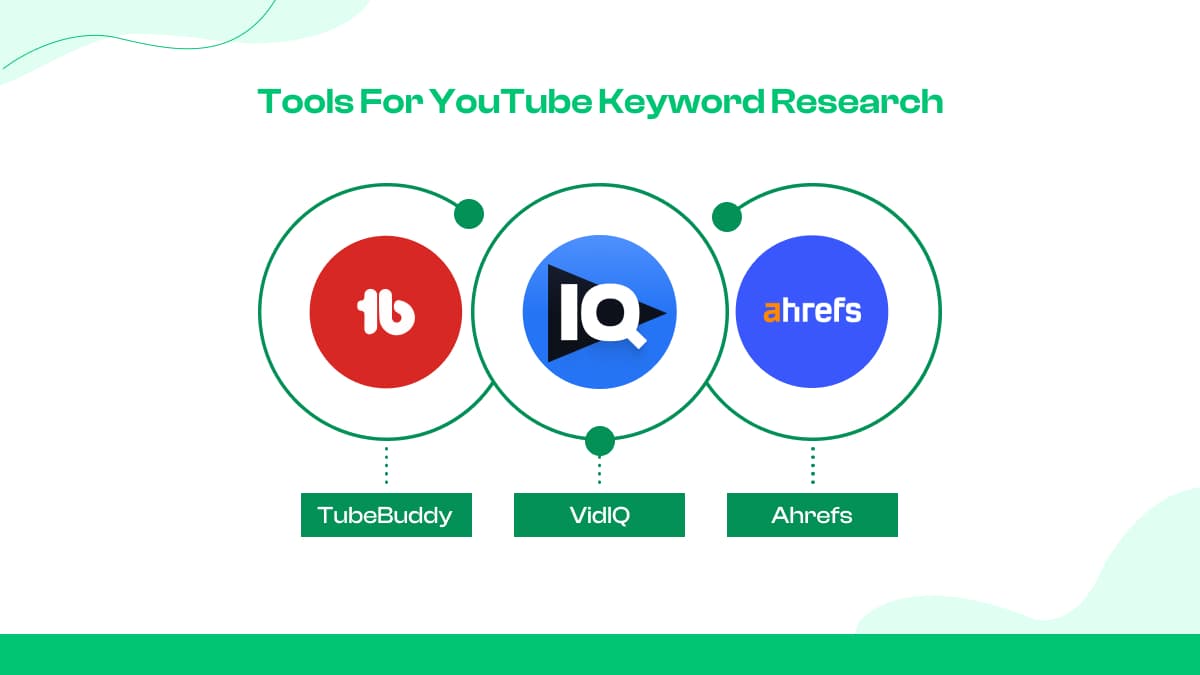
Tools for YouTube Keyword Research

These tools will help you with keyword research and optimization:
  • TubeBuddy: It suggests relevant tags and keywords directly in YouTube’s dashboard.
  • VidIQ: This tool provides keyword scores, competition levels, and SEO recommendations.
  • Ahrefs YouTube Keyword Tool: Offers deeper insights into search volumes and click potential.

On-Page Video Optimization

Take the following steps for on-page video optimization-

Writing Compelling Titles and Descriptions

Make sure to keep your title clear, rich with keywords, and curiosity-driven. 

Example:

“Productivity Tips for Everyone” – Not a good title. 

“10 Productivity Hacks That Actually Work in 2025” – This is a good title. 

For descriptions:
  • Add primary keywords within the first 100 words in a natural manner.
  • Include timestamps for easy navigation.
  • Link to relevant pages, playlists, or CTAs.

Using Tags, Hashtags, and Categories Effectively

Tags: Use 5–10 relevant tags that reflect your video’s topic

Hashtags: Add 2–3 branded or topic-specific hashtags in your description

Categories: Select the most accurate video category, such as “Education” or “Entertainment”, for better recommendation targeting

Crafting Thumbnails That Boost CTR

Follow these best practices:
  • Use high-contrast colors and minimal text.
  • Show expressive human faces when possible to improve emotional connection.
  • Keep brand consistency with a consistent style or logo.

According to Backlinko’s YouTube Ranking Study, videos with custom thumbnails see 154% more clicks than those without.

YouTube Marketing Examples: Successful Brand Campaigns

Real-world examples will help you understand the strength of YouTube marketing. 

  1. Nike – “You Can’t Stop Us” Campaign (2020–2021)

This split-screen masterpiece featured athletes from diverse backgrounds, allowing Nike to promote unity and resilience. The campaign, just within a week, generated 50+ million views. It goes to show how emotional storytelling drives global engagement.

Embed this: You Can’t Stop Us | Nike 

Such amazing storytelling and editing innovation can amplify brand identity and inclusivity.

  1. Apple – “Shot on iPhone” Series

Apple showcased user-generated content filmed entirely on iPhones in this long-running campaign. Apple blurred the line between advertising and authenticity by turning customers into creators.

Embed This: Shot on iPhone 15 Pro | Olivia Rodrigo "get him back!” | Apple

Encouraging your audience to participate this way can boost organic reach and audience loyalty significantly.

  1. LEGO – YouTube Kids & Brand Universe

LEGO consistently uses storytelling, stop-motion animation, and collaborations on YouTube for engaging its younger audiences. The LEGO YouTube channel has over 15 million subscribers, making it one of the most-followed brand channels.

YouTube Marketing Services

You’ll require a proper mix of creative storytelling, SEO expertise, and technical know-how for YouTube marketing.

Types of YouTube Marketing Services

There are different types of YouTube marketing services. 

Video Production, Channel Management, SEO Services

A professional agency or service provider can handle the full cycle of YouTube marketing, including-

Video Production

It includes scripting, shooting, editing, and post-production to ensure high-quality and platform-optimized videos

Channel Management

This service includes managing uploads, playlists, scheduling, and community engagement

YouTube SEO

The SEO services help optimize titles, tags, descriptions, and metadata to improve visibility in search and recommendations

Paid Advertising Management Services

Paid YouTube ads, including TrueView, In-Stream, and Bumper Ads, require constant optimization. 

YouTube marketing agencies often handle:
  • Ad creation and A/B testing.
  • Budget allocation and bidding strategy.
  • Performance analytics and retargeting campaigns.

According to Statista, YouTube ad revenue reached $33.5 billion in 2024. It shows how businesses continue to rely on paid video strategies for brand growth.

Socialplug’s Services

Socialplug can help you grow your YouTube presence by:

Socialplug can help you grow your YouTube presence by:
  • Boosting organic engagement through strategic audience growth.
  • Enhancing your channel’s credibility with real, active subscribers.
  • Increasing your engagement rate by helping you get more likes and comments.
  • Building your presence with more views and watch hours for your videos.
  • Driving more traffic to your live streams with more viewers.
  • Amplifying your reach with organic shares for your content.

3 Advanced YouTube Marketing Tactics

In this segment, we’ll have a look at some advanced YouTube marketing tactics. 

YouTube Shorts Marketing

Let’s see how YouTube Shorts can be a powerful tool for your marketing campaign.  

How to Leverage Shorts for Viral Growth

With over 70 billion daily views for Shorts, this format is one of the fastest ways to go viral. Through Shorts, new channels can gain traction faster, as YouTube pushes such bite-sized videos across the platform.

Best Use: Repurpose long-form content into Shorts and incorporate engaging hooks in the first two seconds.

Best Practices for Short Content:
  • Keep videos under 60 seconds.
  • Use vertical format (9:16).
  • Include trending audio or captions for better accessibility.
  • Add a CTA in the caption, like “Watch the full video on our channel”.

YouTube Community Engagement

You can engage with your audience more by taking several measures.

Using Comments, Polls, and Live Streams

Use YouTube’s Community Tab to post polls, behind-the-scenes updates, or memes to engage with your audience more.

Get authentic YouTube community poll votes on Socialplug!

Live streams also encourage real-time interaction. The feature helps increase watch time and subscriber loyalty. 

Get more YouTube Live stream viewers on Socialplug now!

Example: Brands like Adobe and Canva run Q&A streams to showcase tools and connect directly with users.

Encouraging Subscriber Interaction for Growth

Ask viewers to comment on their opinions. You can then feature top comments in your next video and respond to them heartily. This will help create a feedback loop, encouraging organic promotion and loyalty.

Conversion-Focused YouTube Marketing

Focus on making conversions when launching your YouTube campaign. 

Using YouTube to Drive Website Traffic and Leads

Make sure to integrate your marketing funnel by using video CTAs, links in descriptions, and pinned comments. This will help direct traffic to landing pages. 

HubSpot says you can boost your conversions by up to 20%, if you add a clear CTA in the first 30 seconds of your video. 

How to Use CTA Cards and End Screens Effectively

Cards: Add cards during moments of high engagement, such as in the middle of your video, to promote different offers or related videos.

End Screens: Link your website or suggest playlists in the final 20 seconds.

4 Major Benefits of YouTube Marketing
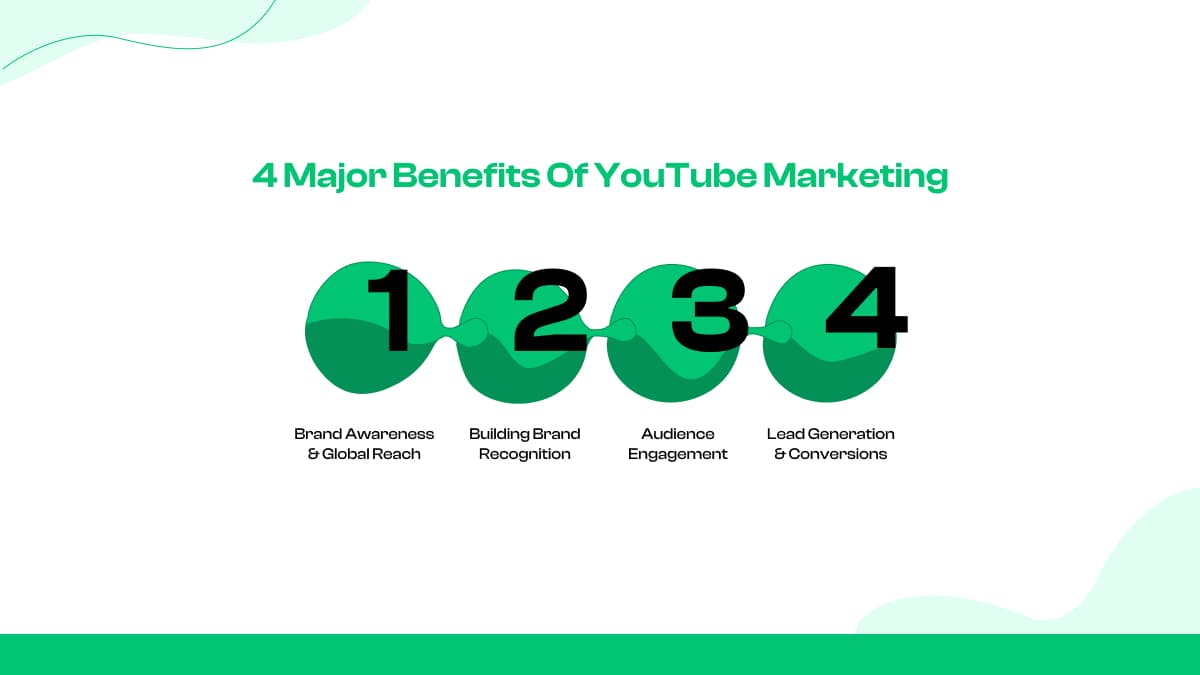
4 Major Benefits of YouTube Marketing

1. Brand Awareness & Global Reach

YouTube puts your brand in front of millions. It’s in 100+ countries and speaks 80+ languages. Shorts and live streams let even small brands play in the big leagues. 

Need a little extra boost to get noticed? Socialplug can help you reach more eyes fast.

2. Building Brand Recognition

Videos make your brand memorable. They spark emotions and stick in the mind. Studies show viewers remember 95% of a video’s message, but only 10% of text. Keep your visuals and tone consistent, and your audience will start recognizing you without even thinking. 

3. Audience Engagement

YouTube users love interacting. Likes, comments, and shares help your videos rank higher. Ask questions, nudge shares, and reply to comments. Consistency pays off.

Don’t have enough comments yet? Socialplug can give your engagement a gentle nudge.

4. Lead Generation & Conversions

Turn viewers into customers with clear CTAs. Tutorials, demos, and case studies drive clicks and sales. Use end screens and cards to guide subscribers or link your site. Verbal CTAs like “Check the link below” make it personal and clear.

Next Steps: Grow Your YouTube with Socialplug!
Grow Your YouTube with Socialplug!

Ready to start your YouTube marketing journey? Socialplug’s services can help you grow your audience and build a strong presence on the platform to ensure sustainable success for your YouTube marketing campaign.

Grow Your YouTube Accounts with Socialplug

Frequently Asked Questions

Is YouTube marketing worth it for small businesses?

Yes. It’s cost-effective and helps small brands reach large audiences. Over 54% of consumers discover small businesses through YouTube. Even with a small budget, consistent and useful videos can build strong brand awareness.

How to optimize videos for YouTube search?

Use keywords in titles and descriptions, add custom thumbnails, and include tags and hashtags. Write detailed descriptions (200–300 words) and encourage engagement.

How to increase subscribers quickly?

Deliver value, stay consistent, and engage in comments. Use end screens, cards, and collaborations to grow faster. You can also get subscribers from Socialplug.

How much does YouTube advertising cost?

On average, $0.01–$0.03 per view, depending on your audience and ad type. You can control spending through Google Ads and pay only when viewers engage.

How often should I upload videos?

Aim for 1–2 quality videos per week on a consistent schedule. Regular uploads help YouTube’s algorithm recognize and promote your channel.

How to create viral content on YouTube?

Hook viewers fast, focus on trending topics, and keep videos concise. Add emotion, storytelling, or humor to make content shareable and memorable.

Tasnim Abedeen Raju

About The Author

Tasnim Abedeen Raju

Tasnim is a content and digital marketer born in Dhaka, Bangladesh. For over thirteen years, Tasnim has worked as a freelancer for several social media marketing companies. He has acquired skill sets in copywriting, content marketing, SEO & social media marketing. He’s one of the founding members of SEOSkit, a very exciting search engine marketing startup. In his free time he likes to travel, read, and make failed attempts at music.

0 Comments

Sort by:
Relevance
SP
JB
Jack Bellingham

Great tips! I never realized how much engagement impacts growth more than just posting frequently. I've been focusing only on content, but now I see how interacting with my audience can make a difference. Time to step up my strategy!

NF
Nicholas Feyenoord

Super helpful article! I always thought Facebook Groups were just for discussions and never really considered them as a tool for growing followers. The idea of actively engaging and sharing valuable content in relevant groups makes so much sense. I'll definitely start participating more and see how it impacts my page. Thanks for the great advice!

Subscribe to our newsletter
Arrow icon
Thank you! Your submission has been received!
Oops! Something went wrong while submitting the form.
Share this article